01
See the Cause
Look past the candle shape and ask what interaction between buyers, sellers, and liquidity produced it.
Patterns show what happened. They can help identify areas where something important may happen again, but they cannot tell you what will happen next.
Mechanics are about understanding what is happening now — how price is responding, whether aggression is being absorbed, whether liquidity is relocating, and whether the market is accepting or rejecting the move.
Start with the foundation ↓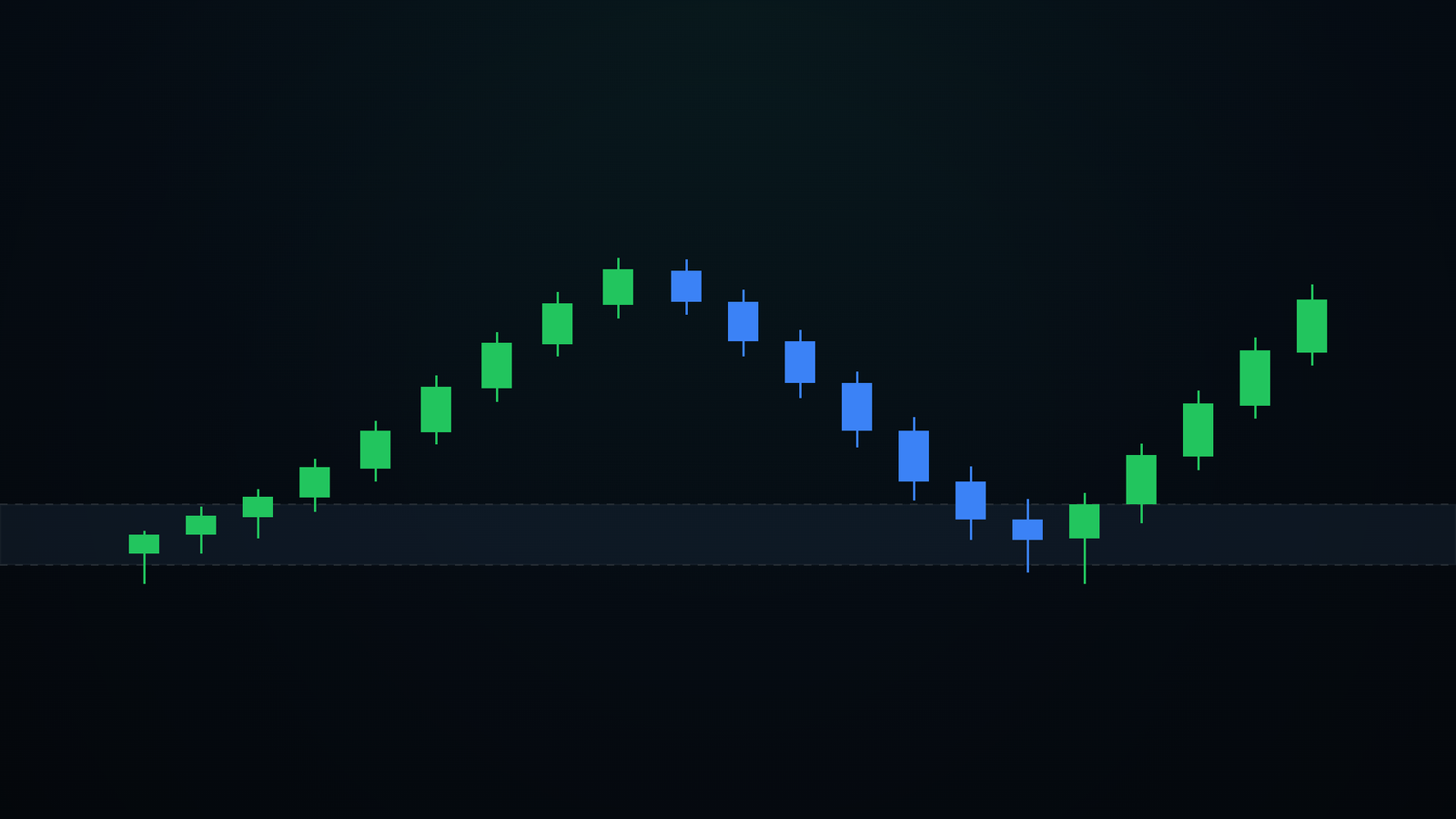
One continues higher.
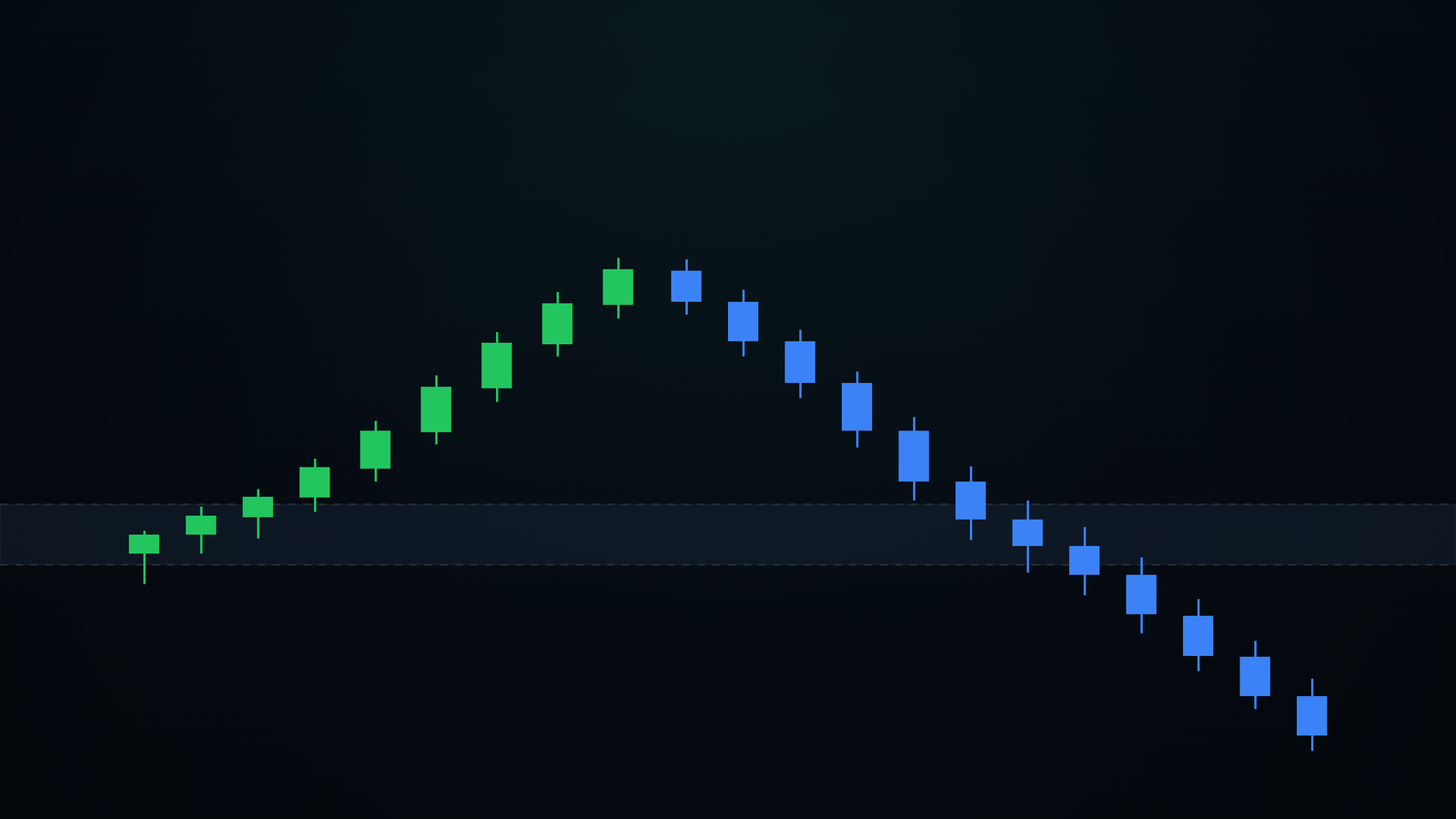
One fails and reverses.
Patterns describe what price looks like. Mechanics give you a framework for interpreting what price is doing.
Look past the candle shape and ask what interaction between buyers, sellers, and liquidity produced it.
Watch what price does after aggression appears. The response often matters more than the initial push.
Use structure and acceptance to identify where your interpretation stops making sense instead of relying on hope.
The same visual pattern can behave differently because the surrounding mechanics are different.
Develop a repeatable way to reason through price rather than memorizing an ever-growing catalog of setups.
Read the opening chapters online. Take your time, learn the framework, and decide whether this way of reading price makes sense to you.
Read the foundation, get familiar with the framework and teaching style, and keep going for as long as the material is useful to you.
Short posts exploring the ideas behind Trade the Mechanics from different perspectives — one concept at a time.